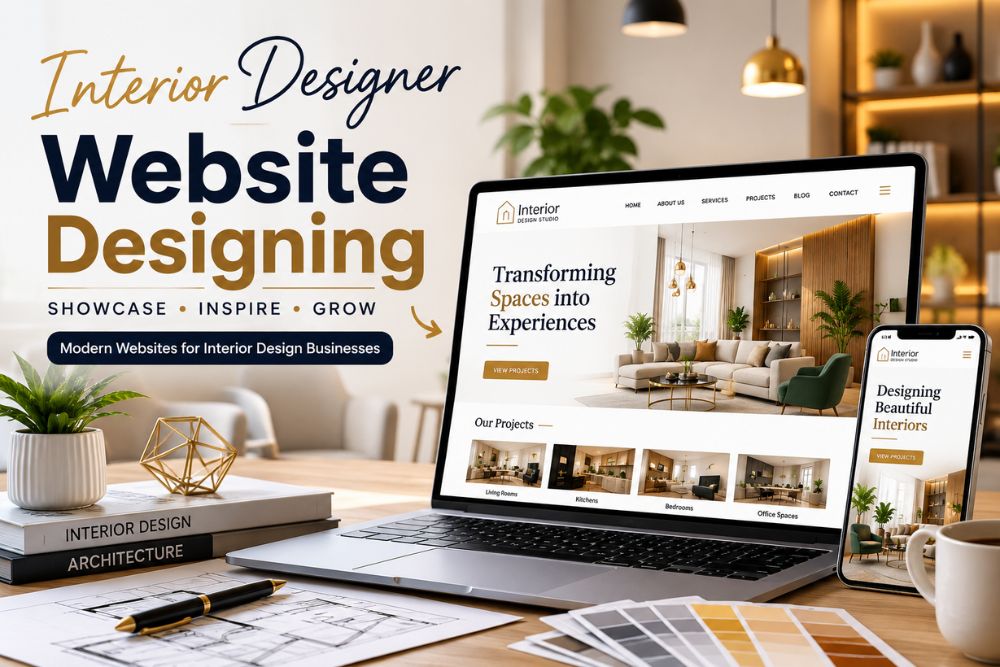
Interior Designer Website Designing Company in Delhi | Expert Guide
06 Jul, 2026
Many interior designers create stunning residential and commercial spaces, but attracting new clients consistently has become more challenging than ever. Today, most homeowners, business owners, and property developers search online before choosing an interior designer. We've noticed that many designers rely heavily on Instagram and Facebook to showcase their work, but social media alone rarely provides enough information for clients who want to compare portfolios, understand services, read customer reviews, or book a consultation. This is where a professionally designed website makes a real difference. Choosing the right Interior Designer Website Designing Company in Delhi helps transform your portfolio into a professional online presence that builds trust and encourages potential clients to get in touch.
A professional website is much more than an online gallery of completed projects. It gives your business a dedicated platform to showcase residential and commercial interiors, explain your design process, display before-and-after transformations, publish client testimonials, and make it easy for visitors to request a consultation. With professional website development services for interior designers in Delhi, you can also integrate enquiry forms, WhatsApp chat, Google Maps, project galleries, and SEO-friendly pages that help your business reach more potential clients through Google instead of depending only on social media platforms.
Whether you're an independent interior designer, a growing design studio, or an established interior architecture firm, your website should reflect the quality of your work and the professionalism of your brand. A well-planned website not only showcases your creativity but also helps generate quality enquiries and supports long-term business growth. In this guide, you'll learn what features every interior designer website should include, how a professional website helps generate more leads, and what to consider when choosing the right website development company for your business.
Why Every Interior Designer Needs a Professional Website
Today, most people don't hire an interior designer after seeing just one social media post. They compare portfolios, read client reviews, explore completed projects, and evaluate the overall professionalism of a business before making an enquiry. One thing we've noticed while working with design businesses is that many rely almost entirely on Instagram or Facebook to showcase their projects. Although these platforms help increase visibility, older projects quickly become difficult to find, important service information gets buried, and potential clients often leave without taking the next step.
A professional website solves these challenges by giving your business a dedicated platform where every project is organized and easy to explore. Instead of endlessly scrolling through social media, visitors can browse residential interiors, office spaces, modular kitchens, luxury homes, retail projects, and renovation work through well-structured portfolio pages. Your website also becomes the ideal place to showcase customer testimonials, explain your design process, answer common questions, and encourage visitors to book a consultation. This is one reason many businesses eventually realize the difference between a Business Website vs Instagram, especially when they want to generate consistent enquiries rather than only social media engagement.
As your portfolio continues to grow, your website grows with it. You can regularly add completed projects, publish interior design tips, share client success stories, and introduce new services without any limitations. Unlike social media platforms that depend on changing algorithms, your website remains a long-term business asset that strengthens your brand, improves credibility, and helps attract high-quality clients through Google Search.
Essential Features Every Interior Designer Website Should Include
When someone visits an interior designer's website, they usually have one simple question: "Can this designer create the kind of space I'm looking for?" Your website should answer that question within the first few minutes. Instead of showing only a few images, it should guide visitors through your expertise, completed projects, design style, and the process of working with your team. The easier it is for visitors to understand your work, the more likely they are to contact you for a consultation.
A successful interior design website should include features that help visitors make confident decisions.
Feature
Why It Matters
Project Portfolio
Showcases residential, commercial, and luxury interior projects.
Before & After Gallery
Demonstrates the transformation and quality of your work.
Service Pages
Clearly explains the interior design services you offer.
Client Testimonials
Builds trust through genuine customer experiences.
Consultation Form
Makes it easy for potential clients to enquire.
WhatsApp Integration
Allows visitors to contact you instantly.
Mobile-Friendly Design
Ensures a smooth experience on all devices.
Blog Section
Shares design ideas, trends, and useful insights for clients.
Many designers focus only on creating a beautiful website, but the most successful websites are designed to convert visitors into enquiries. Clear navigation, organized project categories, fast loading speed, and strategically placed contact options all contribute to a better user experience. Planning these elements before development begins also creates a stronger foundation for search visibility, which is why many businesses pay attention to What Pages Every Website Must Have before building a new website.
How a Professional Website Helps Interior Designers Get More Client Enquiries
A professional website is much more than an online portfolio. It works as a 24/7 marketing tool that helps potential clients understand your expertise before they contact you. Whether someone is planning a home renovation, designing a luxury apartment, or looking for commercial interior solutions, they usually compare multiple designers online before making a decision. We've worked with businesses that had impressive portfolios but weren't receiving enough enquiries because their websites lacked clear navigation, strong project presentations, and simple enquiry options. Small improvements in website structure and user experience often make a noticeable difference in the quality of leads.
Clients also want confidence before investing in an interior design project. They look for completed projects, customer testimonials, service details, and a simple way to get in touch. A professionally designed website presents all this information in a structured way while encouraging visitors to book a consultation. Features like WhatsApp integration, enquiry forms, project galleries, Google Maps, and client reviews help reduce hesitation and increase conversion rates. Understanding 10 Website Conversion Mistakes can also help interior designers avoid common issues that prevent visitors from becoming genuine enquiries.
SEO for Interior Designer Websites: Get Found by Local Clients
Creating a beautiful website is only the first step. If your website doesn't appear when someone searches for an interior designer in your city, potential clients are likely to contact one of your competitors instead. We've noticed that many interior designers invest heavily in photography and website design but pay very little attention to SEO during development. As a result, their websites look impressive but receive very little organic traffic from Google.
A successful SEO strategy starts with understanding how potential clients search online. Some people search for "home interior designer near me," while others look for "office interior designer in Delhi" or "luxury interior designers." Before creating service pages and blogs, it's also worth understanding How Google Evaluates Business Websites Before Ranking Them, because Google looks at factors such as content quality, website structure, user experience, and relevance before deciding where a website should appear in search results. Building your website around these principles gives you a stronger foundation for long-term SEO.
Technical optimization is equally important. Fast loading pages, mobile-friendly design, optimized images, clear navigation, and well-structured headings all improve both user experience and search visibility. When your website is easy to use and answers the questions potential clients are searching for, it has a much better chance of attracting qualified traffic and generating consistent enquiries over time.
What Makes a High-Converting Interior Designer Website?
When potential clients visit your website, they quickly decide whether your business looks professional and trustworthy. A beautiful design certainly creates a good first impression, but clients also look for detailed project information, customer reviews, clear service descriptions, and an easy way to contact you. We've worked with businesses that had impressive portfolios but were losing enquiries because important information was difficult to find or the website didn't guide visitors toward booking a consultation.
The table below highlights the difference between a basic portfolio website and one that's designed to generate enquiries and build trust.
Basic Portfolio Website
High-Converting Interior Designer Website
Shows only project images
Includes project stories, design approach, and results
Generic gallery
Organized residential, commercial, and luxury project categories
Basic contact page
Consultation form, WhatsApp, and click-to-call buttons
Limited project details
Before & after images with project descriptions
Few customer reviews
Testimonials, Google reviews, and client success stories
No clear call-to-action
Multiple enquiry opportunities throughout the website
Static content
Regular blogs featuring design ideas and trends
Basic SEO setup
Optimized pages that attract local clients from Google
A website should do more than display attractive interiors—it should encourage visitors to take the next step. Organizing your portfolio, making contact options visible, and presenting your services clearly creates a smoother experience for potential clients while improving enquiry rates. Before planning your website, it's also worth understanding 10 Features Every Website Must Have, as these essential elements help create a stronger user experience and support long-term business growth.
Choosing the Right Interior Designer Website Designing Company in Delhi
Choosing a website designing company isn't just about finding someone who can build a good-looking website. Your website should reflect your design style, showcase your completed projects professionally, and make it easy for potential clients to book a consultation. We've seen interior designers invest in attractive websites that looked modern but failed to generate enquiries because the portfolio was poorly organized, contact options were difficult to find, or the website wasn't optimized for local search.
Before selecting a development partner, ask how they plan to present your portfolio, organize different project categories, and improve the overall user experience. A reliable company will take time to understand your business, target audience, and long-term goals before recommending the right solution. During this planning stage, it's also useful to understand How to Choose the Right Website Designing Company in Delhi, as factors such as communication, project planning, technical expertise, and post-launch support often make a bigger difference than choosing the lowest price.
A professional website should continue supporting your business long after it goes live. Make sure the company also focuses on website performance, mobile responsiveness, SEO readiness, security, and ongoing maintenance. These factors help ensure your website not only looks impressive but also continues generating enquiries as your portfolio and
Closing Thoughts
A professional website is one of the most valuable investments an interior design business can make. It does more than showcase completed projects—it helps build credibility, attracts qualified enquiries, and gives potential clients the confidence to choose your services. Choosing the right Interior Designer Website Designing Company in Delhi ensures your website reflects your design expertise while providing a seamless experience for visitors who are exploring your portfolio and planning their next project.
As your business grows, your website should continue supporting your marketing efforts by showcasing new projects, publishing design insights, and making it easy for clients to get in touch. Before starting your project, it's also worth understanding How Much Does Website Designing Cost, as the right investment depends on your business goals, required features, and future growth plans rather than simply choosing the lowest price.
At Delhi Web Designing, we create custom websites that combine modern design, responsive performance, SEO best practices, and user-focused functionality. Whether you're launching your first portfolio website or upgrading an existing one, we build solutions that help interior designers strengthen their online presence, generate more qualified enquiries, and grow their business with confidence.
A professional website helps interior designers showcase their portfolio, build trust with potential clients, display completed projects, and receive consultation enquiries. It also provides a permanent online presence that is easier to manage than relying only on social media.
A professional interior designer website should include project galleries, service pages, before-and-after images, client testimonials, enquiry forms, WhatsApp integration, Google Maps, responsive design, and a blog to showcase expertise and improve search visibility.
The cost depends on the website design, number of pages, portfolio size, custom functionality, and additional features such as booking forms or SEO. A simple portfolio website costs less than a fully customized business website.
Yes. Most modern websites are built with an easy-to-use content management system (CMS), allowing you to add projects, update images, publish blogs, and edit content without any coding experience.
A well-designed website improves trust by showcasing your portfolio, customer reviews, services, and contact options in a professional way. Combined with SEO and clear enquiry forms, it helps convert more visitors into potential clients.
A professional company understands how to build a visually appealing, responsive, and SEO-friendly website that reflects your brand, highlights your portfolio, and helps generate quality business enquiries through a better user experience.
Grow Your Local Business
Get a Professional Website From a Web Designing Company in Delhi